

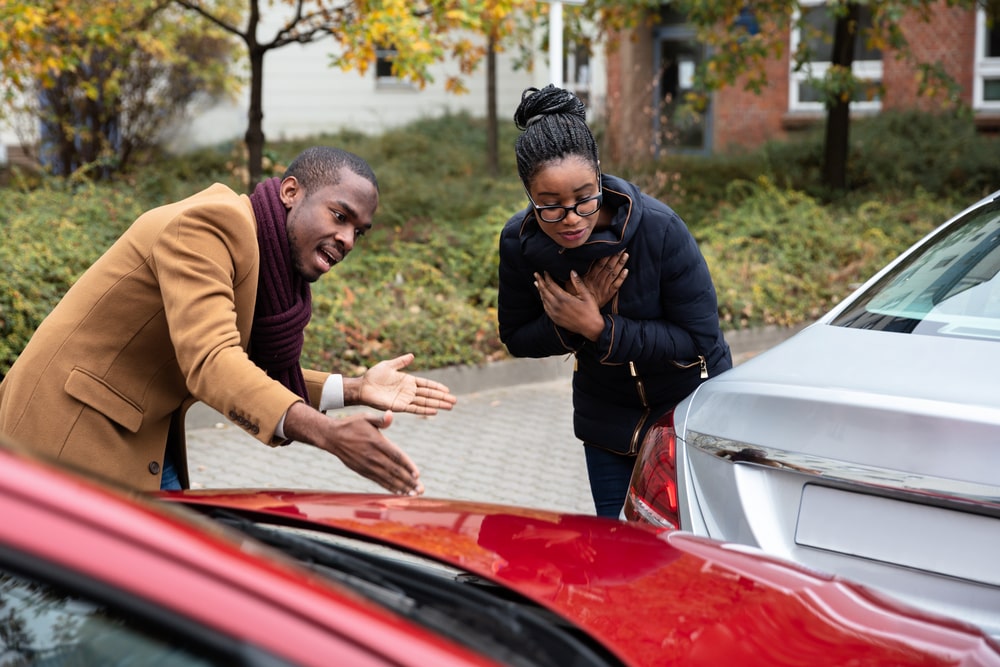
A crash can involve mistakes by more than one driver, and a court may weigh the conduct of each one. How New York treats shared blame can change what an injured person recovers, and an amendment has changed the rule for some claims.
New York Reduces Recovery by Each Driver’s Share
CPLR 1411 is the state’s comparative fault rule. Under its general provision, an injured person’s damages are reduced in proportion to the share of fault assigned to that person. For example, a driver found 40 percent responsible for a $100,000 loss would see the award reduced to $60,000. The claim does not disappear simply because the injured driver made a mistake.
A Newer Rule Applies to Certain Crash Claims
An amendment to the same section added a stricter standard for personal injury actions subject to Article 51 of the Insurance Law, which is New York’s no-fault insurance law. In those cases, recovery is barred if the claimant’s fault is greater than the fault of the person sued, or greater than the combined fault of several defendants. Equal fault does not trigger the bar. Which standard applies can depend on the type of claim, so the details deserve a careful check.
Fault Is Argued With Evidence
A Bronx car accident lawyer spends much of the early work on how the crash happened, since the percentage assigned to each driver drives the outcome and the value of the claim. A defendant who raises fault will point to conduct such as the following:
- Texting or other distracted driving behind the wheel.
- Failure to yield at an intersection or unsafe lane changes.
- Speeding or failing to brake in time.
A defendant who raises these points is arguing that the injured person could have prevented the crash and acted less carefully than a reasonable person would have under the circumstances.
Evidence Shapes the Percentages
Police reports, photos of the damage and the scene, witness statements, dashcam or surveillance footage, and medical records all affect how fault is divided. Surveillance cameras erase recordings after a set period, so footage should be requested promptly. A review of car accident claim evidence explains how each of these supports an account of the crash.
A Bronx car accident lawyer can gather this material while it still exists and compare it with how each driver acted, which shapes the percentage assigned to each side.
Other Vehicles and Injuries Change the Analysis
A crash that involves a commercial truck can bring additional parties into the fault calculation, such as the driver’s employer. Drivers hurt in these collisions may look to a Bronx truck accident practice for a review of who shares the blame.
Motorcyclists hurt in a crash face the same comparative fault analysis, and insurers may try to shift part of the blame onto the rider. Those cases are handled as Bronx motorcycle accident claims, and the same comparative fault rules apply.
A crash can also overlap with other kinds of harm, and a general Bronx personal injury review sorts out which claims apply and in what order they should be pursued, whether the injured person was a driver, a passenger, a pedestrian, or a cyclist.
Partial Blame Does Not End a Claim
An injured driver may assume that admitting any mistake forfeits a claim. Under the general rule, a claim can succeed even when the claimant bears some of the blame, though the award shrinks accordingly. The damages at stake can include current and future medical expenses, lost wages and reduced earning capacity, pain and suffering, property damage, and long-term rehabilitation costs, and each category is reduced by the injured person’s share of fault. Learning how being partly at fault reduces an award explains why the percentage assigned to each driver matters so much.
Anyone dealing with an adjuster after a collision benefits from a Bronx car accident lawyer who can weigh the facts against the current rule, since an insurer that argues the claimant was partly at fault will try to raise that share.
Who Handles These Claims
The Edelsteins, Faegenburg, & Blyakher LLP represents injured people and accident victims, such as drivers, passengers, pedestrians, and motorcyclists. Attorney Paul J. Edelstein is a Brooklyn Law School graduate and a member of the New York State Trial Lawyers Association and the Brooklyn Bar Association.
Fault can be argued either way, so a Bronx resident hurt in a crash can reach out to the firm and get the facts weighed against the current rule.