

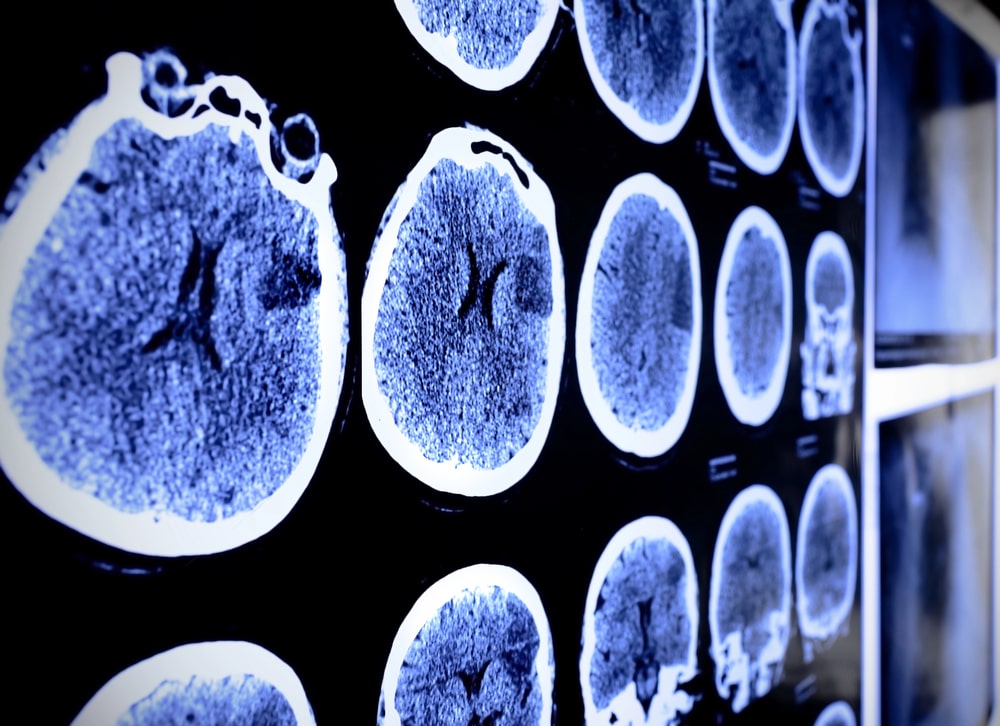
A blow to the head in a Manhattan crash can leave a person with normal-looking scans and a very different life. Memory slips, headaches, and trouble concentrating don’t always show up on an X-ray. New York law asks whether an injury is “serious” before it allows certain damages, and brain injuries put that question front and center.
Why New York Asks Whether an Injury Is Serious
Under Insurance Law section 5104, subsection (a), there is no right of recovery for non-economic loss except in the case of a serious injury, or for basic economic loss. Non-economic loss covers the pain, suffering, and loss of enjoyment that follow an injury. In motor vehicle cases, the definition of serious injury decides whether those damages are available.
That makes the definition more than a technicality. For a person with a head injury, it shapes what the claim can include.
The Statutory Definition
Insurance Law section 5102, defines serious injury as a personal injury that results in:
- Death
- Dismemberment
- Significant disfigurement
- A fracture
- Loss of a fetus
- Permanent loss of use of a body organ, member, function, or system
- Permanent consequential limitation of use of a body organ or member
- Significant limitation of use of a body function or system
A skull fracture fits the fracture category on its face. A brain injury can occur without a fracture, so the last three categories carry the weight.
How a Brain Injury Can Fit
Cognitive and neurological problems affect body functions and systems. Lasting memory loss, difficulty with concentration, balance problems, and changes in mood are examples a doctor can document. Whether they meet the statute depends on the medical evidence, including how long the problems last and how they limit the person.
The words “permanent” and “significant” are where disputes arise. Insurers may argue that symptoms are minor or temporary, so medical records that describe the limitation in specific terms matter.
Records That Prove a Limitation
A brain injury claim rests on documentation from the start. Collect the following:
- Emergency room and hospital records from the day of the crash
- Imaging reports and neurological evaluations
- Cognitive or neuropsychological testing
- Notes from therapists and rehabilitation providers
- Statements from family members who see the day-to-day changes
A daily log of symptoms, missed work, and tasks that have become difficult adds the day-to-day detail that medical charts leave out. Dates and specifics make the log useful.
Follow-up care matters as much as the first visit. Treatment gaps give insurers room to argue that the problem has resolved, which makes the work of proving a brain injury harder.
The Threshold Applies to Motor Vehicle Claims
The no-fault threshold is a motor vehicle rule. Head injuries also come from falls, construction sites, and other events, and those claims follow different rules. After a crash, a Manhattan car accident lawyer can explain how the threshold applies.
A worker hurt on a job site may need a Manhattan construction accident lawyer instead. Those claims depend on who controlled the site and what safety rules applied.
Motorcycle crashes raise a related question. Riders can ask a Manhattan motorcycle accident lawyer how a head injury claim develops when the rider was thrown from the bike.
Dealing With Insurers After a Head Injury
Brain injury damage can be invisible on a scan, and an insurer may suggest that the symptoms will pass on their own. Understanding the signs of bad faith helps a family recognize when a delay or denial isn’t justified. Keeping every letter and noting every conversation protects the record.
Having the Injury Reviewed
Anyone with a head injury from a crash can ask a Manhattan TBI lawyer to review the medical records against the statute and explain which category may apply. The review compares the documented symptoms with each statutory category.
Glenn K. Faegenburg earned his J.D. from Brooklyn Law School in 1990 and handles brain injury matters at The Edelsteins, Faegenburg, & Blyakher LLP. He is a member of the American Bar Association and the New York State Trial Lawyers Association, and that background informs how our firm handles head injury cases.
The statute asks about lasting limits, so the medical record matters. Anyone in Manhattan living with the effects of a head injury can reach out to us, and we’ll review the records and the next steps with you.